

Starten Sie den Audio-Text
Mit dem Audio-Player können Sie sich den Text anhören. Darunter finden Sie das Transkript.
Vox Pop: Intercultural business with Japan
The following audio excerpt is from “Vox Pop: Intercultural business with Japan” (Society, pp. 21–22). Listen to the full interview and corresponding exercise on Business Spotlight Audio 5/26. Below, we provide you with a transcript.
Click here to open the transcript
Vox Pop: Intercultural business with Japan
Sion: Doing international business is as much about understanding each other’s cultures as it is about logistics. Business Spotlight Audio editor, Melita Cameron-Wood, asked three businesspeople who either work or worked with Japanese business partners or colleagues to answer the following question: “What have you learned about Japanese workplace culture and communication styles from doing business with Japan?” The first person you will hear from is Tommy Crooks, the owner of The Edinburgh Natural Skincare Company.
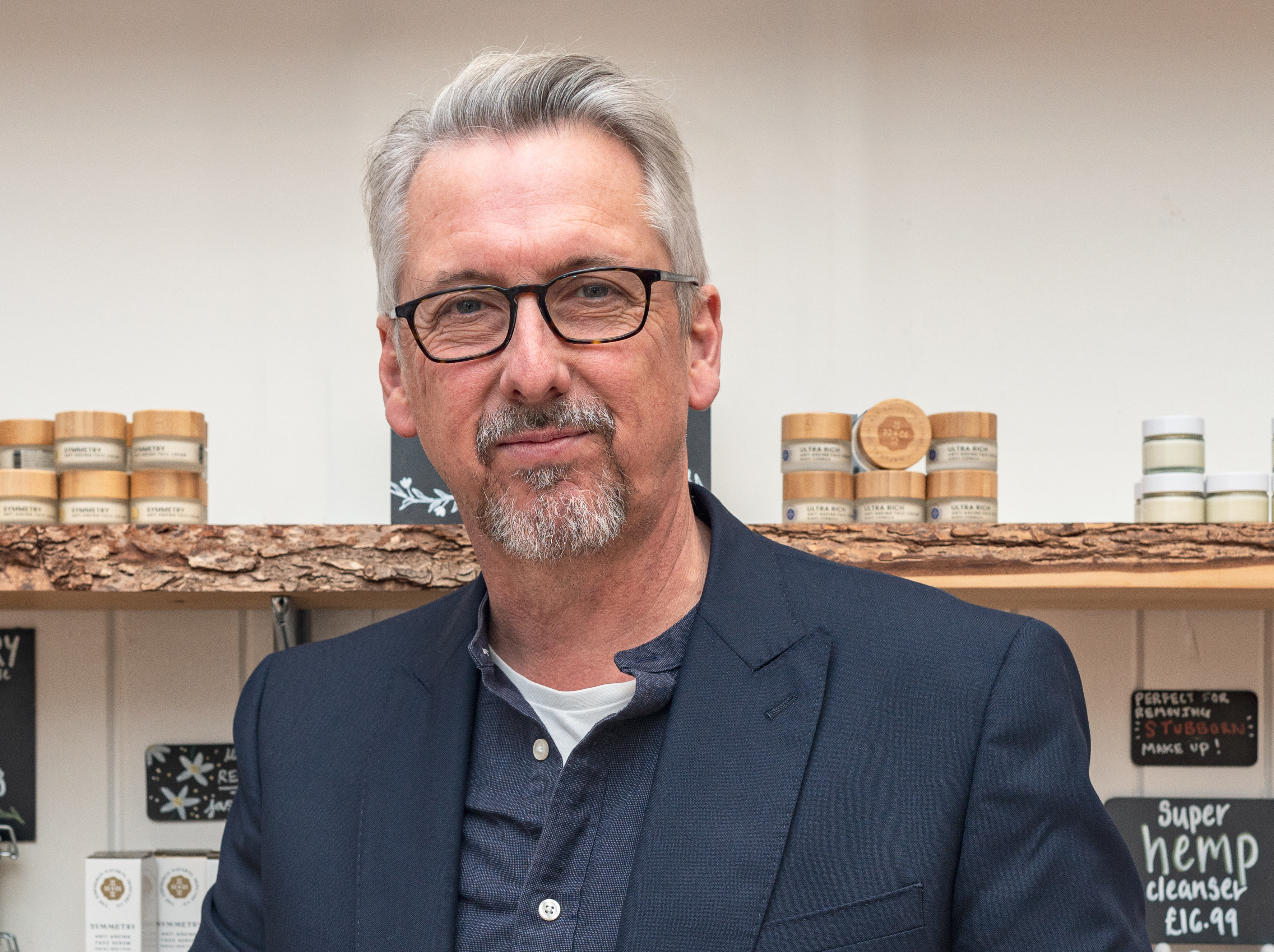
Tommy Crooks: Japanese business culture isn’t entrepreneurial, like Western entrepreneurship. It’s more about exactness and diligence. Every component is examined in the tiniest detail. All the data is taken into consideration. Everything is highly crafted. And every aspect of the business is run according to ancient Japanese traditions. For example, kaizen, which is a concept of continual improvement, is simply the norm in Japan, so rigorous quality-control requirements are to be expected.
Actually, in China, where I also do business, there’s even a manufacturing standard called “Japanese standard”. This standard demands perfection. If they order 100 units of a product, the Japanese will expect 100 perfect units. They closely examine every single item we make to ensure compliance.
Every single component is looked at. There’s a Japanese word saitekika, which means “optimization”. And that concept is also essential in business over in Japan. They’re always asking themselves, “How can this be optimized further?” Business in Japan isn’t just about continual improvement, it’s also about constant optimization.
Sion: OK, now, you’ll hear from Lynn Power, the founder of MASAMI, a premium haircare brand that uses Japanese ocean botanicals in their products. Lynn spoke to Business Spotlight about her experience of doing business with a Japanese seaweed company, which she has personally visited several times.

Lynn Power: We work with a Japanese family-owned seaweed company in Iwate. We’ve been working with them for about six years. And what I noticed about working with them in particular is, first of all, it’s much more long-term-relationship focus and not as transactional. Secondly, they’re very transparent about their sourcing, their relationship with the fishermen, their products. And then third, they took time to get to know us and to establish a relationship.
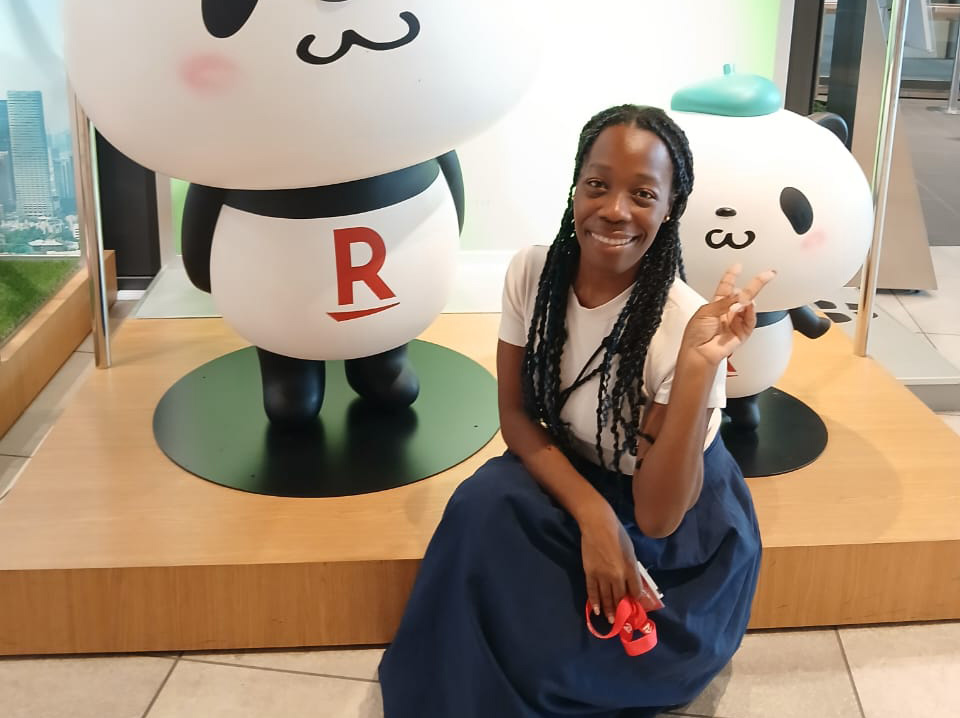
Sion: And now, you’ll hear from our final interview partner, Mélissa Carvigant. Mélissa used to work as a UX/UI designer for Rakuten, a Japanese financial technology company. She worked at their Barcelona office, but she regularly collaborated with Japanese colleagues and even had to travel to Japan on business once. In this extract, she refers to the polite suffix -san that is added to people’s names as a sign of respect in Japan.
Mélissa Carvigant: Something that really surprised me was that Japanese people are very thorough and organized. They document a lot — everything that they do, for example, any kinds of meeting minutes or decisions. And the reason for that is also so that they can get organized internally and have their hierarchy systems work best because hierarchy and respect are very important.
So, there is a certain way to address your boss or your boss’s boss. There is also a way to address your colleagues. So, for example, we know that even though we are not based in Japan, we address our colleagues in Japan with first name, -san. So, people would call me, for example, “Mélissa-san”, and I would call people in Japan their first name and -san.