
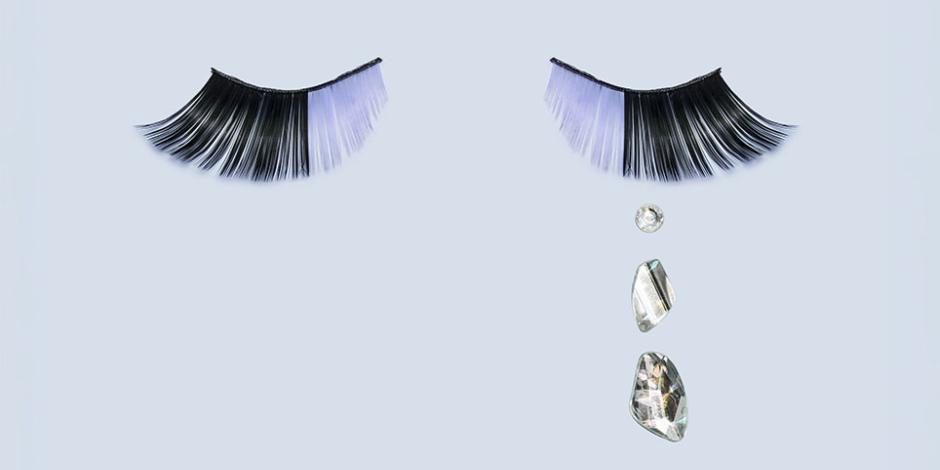
Most full-time workers in industrialized countries spend about 90,000 hours at work over their lifetimes — the equivalent of more than a decade of waking (life)hier: Wach- (im Wachzustand verbracht)waking life spent in the workplace. Since people spend so much time at work, and may feel under pressure, it’s not surprising that emotions can sometimes run highhoch kochenrun high. A 2026 survey by the US company Resume Now found that almost 40 per cent of employees have cried at work. Despite this, however, getting too emotional at work has traditionally been be frowned uponverpönt seinfrowned upon.
When British politician Rachel Reeves cried in Parliament, in summer 2025, the press deride sb.jmdn. verhöhnen, verspottenderided her. “What is wrong with Rachel Reeves?” asked the newspaper The Telegraph. Reeves didn’t take such comments take sth. to heartetw. zu Herzen nehmento heart. “People saw I was upsetaufgewühlt, bestürztupset, but that was yesterday,” she said. “Today’s a new day, and I’m just crack on with sth. (UK ifml.)mit etw. weitermachen, etw. anpackencracking on with the job.” Men sometimes cry on the jobbei der Arbeit, im Dienston the job, too: Barack Obama did so more than once while he was US president.
chartered (UK)staatlich anerkannt, zugelassenChartered clinical psychologist Dr Tracy King explains that the situation is particularly toughschwierig, zermürbendtough for women, however. “There’s a double bindZwickmühle, Dilemmadouble bind for women,” she told Business Spotlight. “If they show emotion, they risk being seen as ‘too much’, but if they suppress sth.etw. unterdrückensuppress the emotion, they can be perceive sb./sth. as sth.jmdn./etw. als etw. wahrnehmenperceived as cold or disconnecteddistanziert, abweisenddisconnected.”
Crying at work has long had a stigma of being unprofessional and a sign of weakness. Is this slowly changing, however? “People need permission to be human, but they also need support to manage their emotions,” King says. She believes that companies still have still have a way to gonoch einen langen Weg vor sich habena way to go when it comes to (doing) sth.wenn es darum geht, etw. zu tun; in Bezug auf etw.when it comes to accepting emotions in the workplace. Research suggests that a huge majority of people, 97 per cent, hide their true selves at work. The US magazine Forbes has called this “performative professionalism” — as employees try to present an ideal version of themselves at all times.
Emotions are data that our body sends us
How emotions help at work
formerehemaligFormer Microsoft manager Magdalena Rogl says emotions at work are a positive thing. Her book, MitGefühl, explains the value of showing one’s feelings. “Emotions are data that our body sends us,” she says. “They show us what matters right now — to us, to the team, to the situation.”
However, there is a difference between showing emotions and emotional offloadinghier: Abwälzen von Gefühlen auf andereemotional offloading. “Showing emotions means ‘I notice what’s going on inside of me; I’m aware of it and I take take responsibility forVerantwortung für etw. übernehmenresponsibility for it,’” Rogl says. But emotional offloading is when one person’s emotions become a burdenLast, Bürdeburden to others. “That’s the exact opposite of emotional intelligence and empathy.”
Research from the University Institute of Lisbon suggests that emotional intelligence has particular advantages when it comes to hybrid work. Rogl says the first few months of the pandemic were a strange adjustmentAnpassung, Gewöhnungadjustment. “Body language is our oldest meanshier: Mittelmeans of communication — and suddenly it was gone, or at least greatly reduced,” she explains. “What remained was a face in a small rectangleRechteckrectangle — sometimes, with a bad connection; sometimes, with the camera off. And the quiet pressure to somehow still sense sth.hier: etw. spüren, wahrnehmensense how the other person is doing.” Technology can connect, but also isolate.
Rogl says if we characterize emotions in the workplace as “unprofessional”, we lose ourselves. “Anyone who has to hide a part of themselves for eight hours isn’t being professional — they’re exhaustederschöpft, ausgelaugtexhausted.”
Neugierig auf mehr?
Dann nutzen Sie die Möglichkeit und stellen Sie sich Ihr optimales Abo ganz nach Ihren Wünschen zusammen.